Like us!
Subscribe
Follow us!
Follow us!

Home/Why Nairobi Slums?

LIFE IN NAIROBI SLUMS

FACING THE CHALLENGE OF POVERTY AND INEQUALITY

education

1 Addressing Population and Educational Challenges

Nairobi's slums are home to approximately 2.5 million people, representing around 60% of the city's population while occupying only 6% of the land area. In settlements like Dandora, nearly 40% of over 500,000 school-age children are not enrolled in school. Barrizi Organisation Kenya aims to bridge this gap by providing access to quality education, empowering children with the tools they need to break the cycle of poverty.

2 Combating Health and Nutritional Inequalities

Children in Nairobi's slums face higher mortality rates, with under-five mortality approximately 20% higher than in rural regions. Additionally, malnutrition rates are alarmingly high, with stunting affecting between 33.5% and 47% of children. Barrizi Organisation focuses on improving healthcare services, providing nutrition programs, and ensuring better maternal and child health outcomes.

education

3 Empowering Social Development and Reducing Vulnerabilities

Social challenges such as early parenthood, with 16% of girls in slums becoming mothers at a young age, and limited access to essential services, further exacerbate poverty cycles. Barrizi Organisation works to create awareness, provide life skills training, and empower young individuals to make informed choices for a brighter future.

education

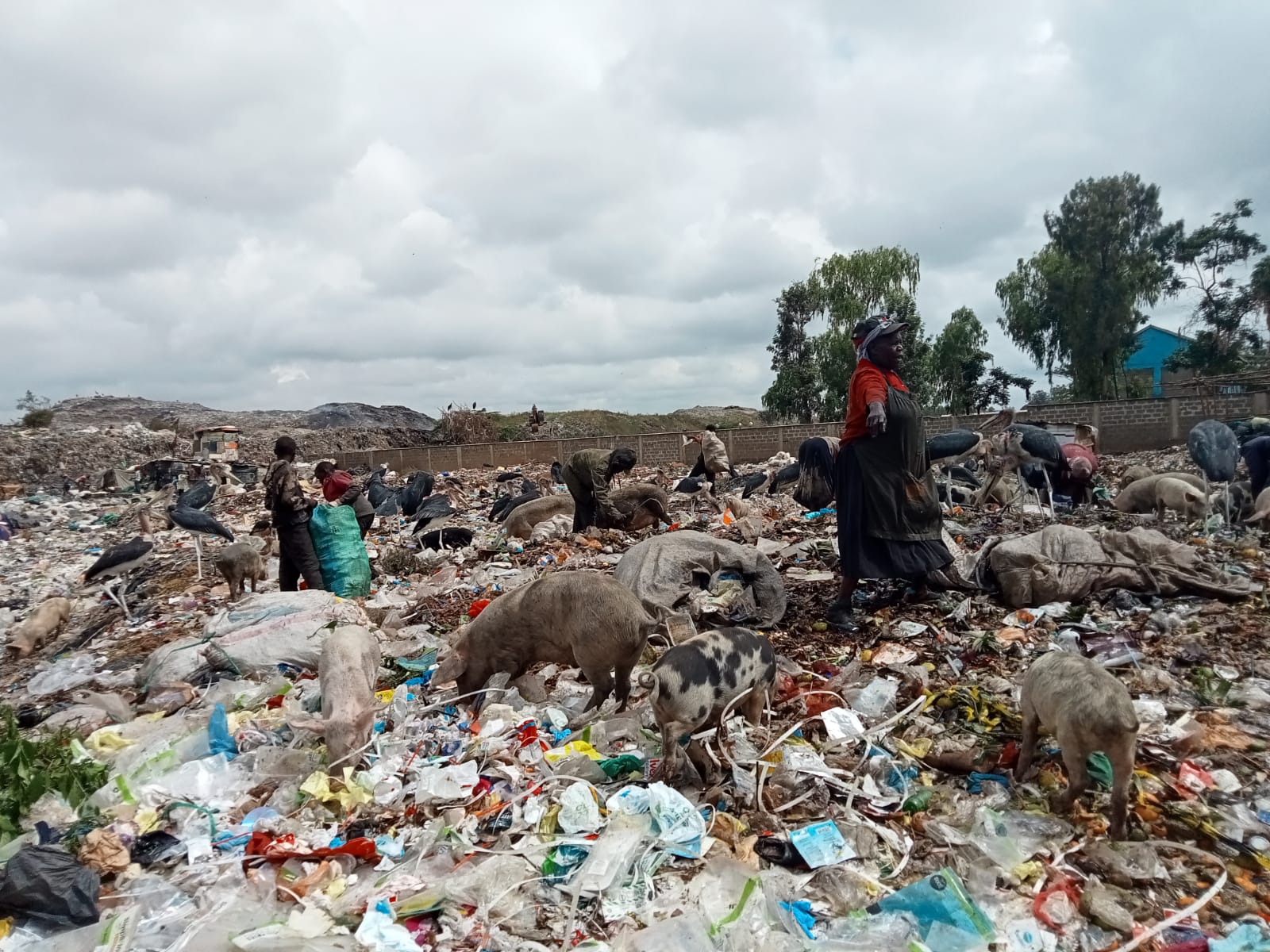
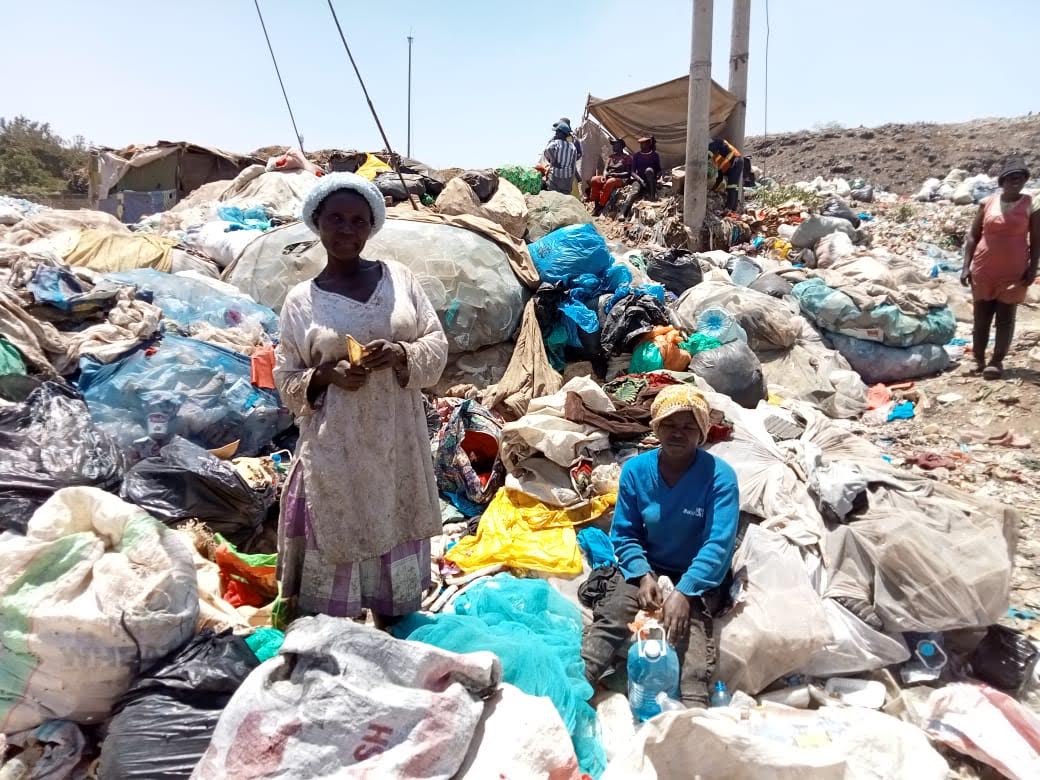
Dandora, a 30 acre site of waste

The Dandora Dumpsite, located in Nairobi, Kenya, covers an area of approximately 30 acres. It is one of the largest waste disposal sites in the country, handling a significant portion of Nairobi's daily waste. The dumpsite has been in operation for decades, but it faces significant environmental and health challenges due to its size, the volume of waste it processes, and its impact on surrounding communities.